
Looking for an easy summer activity that combines science, creativity, and just the right amount of messy fun? Whether you’re a parent trying to beat the boredom blues, a teacher collecting ideas for the new school year, or a summer camp leader planning your next hands-on activity, this fizzing moon craft is a winner. Using everyday materials like baking soda and vinegar, kids can create a textured moon that bubbles and fizzes before their eyes. Best of all, it’s inexpensive, easy to set up, and a fun way to explore space science without leaving your kitchen table, classroom, or camp. The result? A cool piece of art that dries into a keepsake and kids asking, “Can we do that again?”
Learning That Doesn’t Feel Like Learning
Here is the secret weapon of hands-on education: if it bubbles and it’s messy, kids don’t realize they are learning. While they are busy stirring, painting, and dripping, they are actually building fine motor skills, practicing basic measuring, and witnessing a real-world chemical reaction. Instead of just showing them a picture of lunar craters on a smartboard, they get to build the craters themselves out of fizzing carbon dioxide bubbles.
It also opens the door for some great, natural conversations. While they are waiting for the reaction, you can throw out questions like, “Why do you think the moon started bubbling?” or “Why does the real Moon have so many craters?” Before you know it, you’re talking about space exploration, NASA, and astronauts…all because of some baking soda.
How to Make a Fizzing Moon
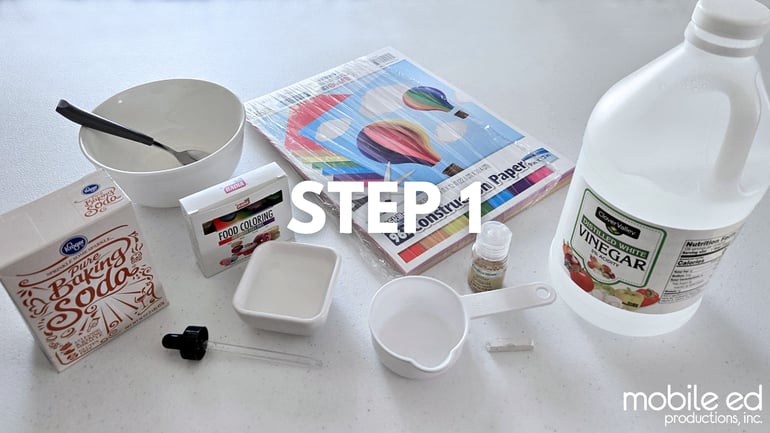
Step 1: Gather Your Materials
What you’ll need:
-
- ½ cup baking soda
- 2 to 3 tablespoons water
- Small mixing bowl and spoon
- White vinegar
- An eyedropper
- Black or dark-colored construction paper
- White crayon or chalk
- Fine glitter or mica powder (optional)
- Food coloring (optional)
- A tray or washable workspace (trust us on this one)
- A damp cloth for quick cleanup
- ½ cup baking soda
Before you let the kids loose, gather everything together. Put down a tray or work on a washable surface. Containing the mess before it starts is the true secret to enjoying science and not dreading the aftermath.
Step 2: Draw Your Lunar Phase
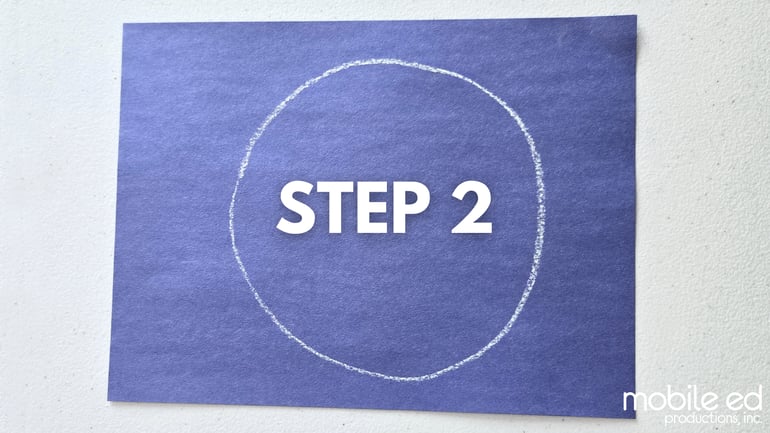
Grab your dark construction paper and a piece of white chalk or a white crayon. Have the kids draw a large moon outline. It can be a full moon, a crescent moon, or whatever lunar phase you want to talk about that day. If they want, they can sketch a few rough circles inside to map out where their craters will go, or even decorate the construction paper to look more like outer space.
Step 3: Mix the Lunar Paste
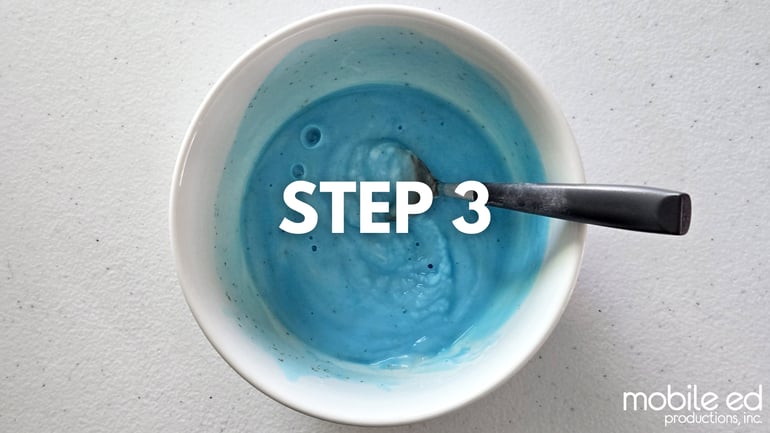
In your small bowl, combine the ½ cup of baking soda with 2-to-3 tablespoons of water. Stir it up until it forms a thick, spreadable paste. If it feels too runny, just throw in a pinch more baking soda. Stir in a few drops of your gray, blue, or purple food coloring. Dump in the glitter now if you want a moon that shimmers under starlight. (If you don’t, we totally understand.)
Step 4: Apply the Topography
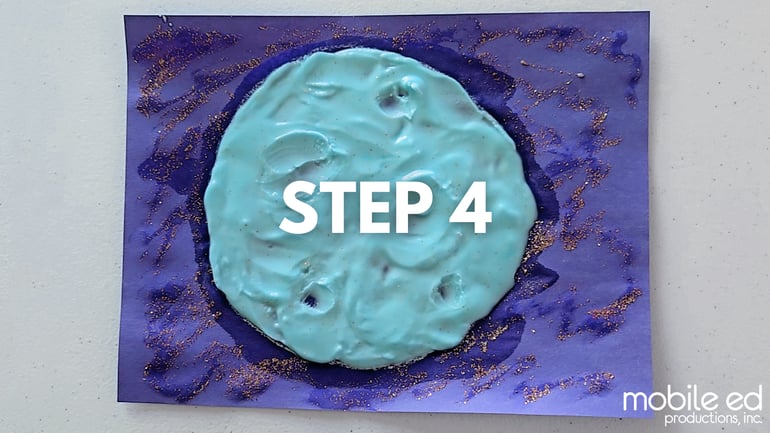
Using a paintbrush or the back of a spoon, have the kids spread the colored paste inside their moon outline. The trick here is to keep it thick, uneven, and bumpy. Leave ridges and valleys. This gives it a realistic, rocky look and creates perfect pockets for the vinegar to pool into later.
Step 5: Blast Off into the Fizz
Now for the main event. Fill up your squeeze bottle or use a dropper with white vinegar and let the kids slowly drizzle it over the baking soda paste. The acid in the vinegar reacts instantly with the baking soda base, releasing carbon dioxide gas in a rush of bubbles that mimic real lunar craters.
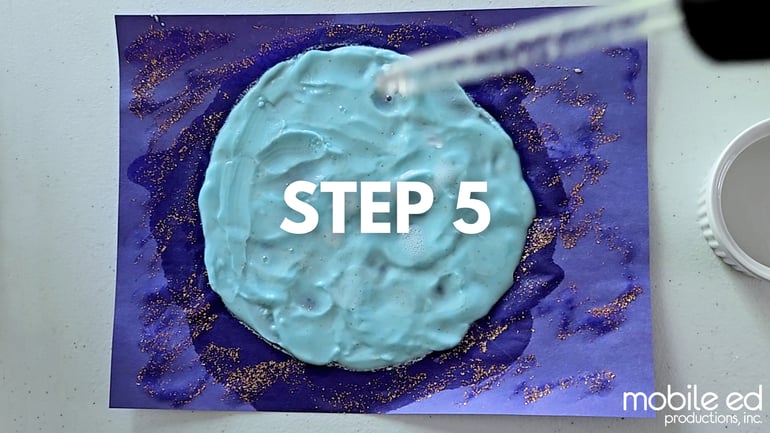
Once the fizzing excitement calms down, don’t throw it away! One of the coolest parts of this project is that if you let the artwork dry completely (usually takes about 1–2 hours) as the paste hardens. The textured, cratered moon stays intact on the paper, making it a perfect piece of art to frame or hang.
Take the Learning Even Further with Mobile Ed
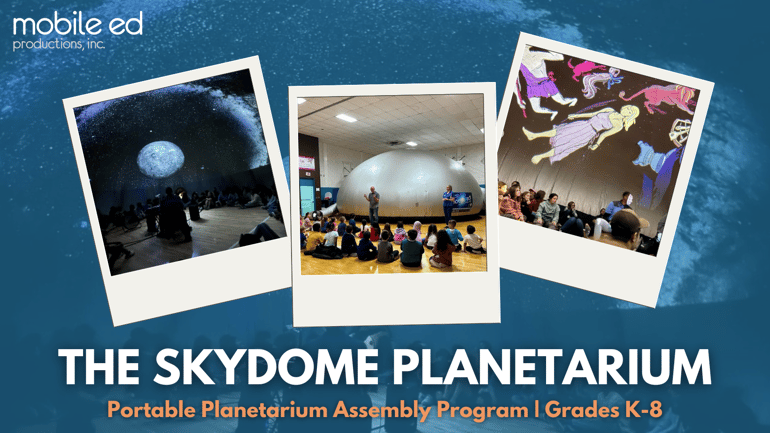
If you think your students enjoy creating their own fizzing moon, imagine their excitement when they have the opportunity to step inside Mobile Ed’s SkyDome Planetarium! The SkyDome transforms curiosity into a memorable experience by taking students on an immersive journey through space without ever leaving school. When you connect the physical act of creating art with a massive, interactive visual experience like the SkyDome, science stops being a subject in a book and becomes an unforgettable memory.
Ready to Launch?
If you’re looking to bring world-class educational entertainment to your school or camp, we would love to help you plan your next event. Click the button below to learn more about booking our Skydome Planterium experience or to learn about our many other educational programs.