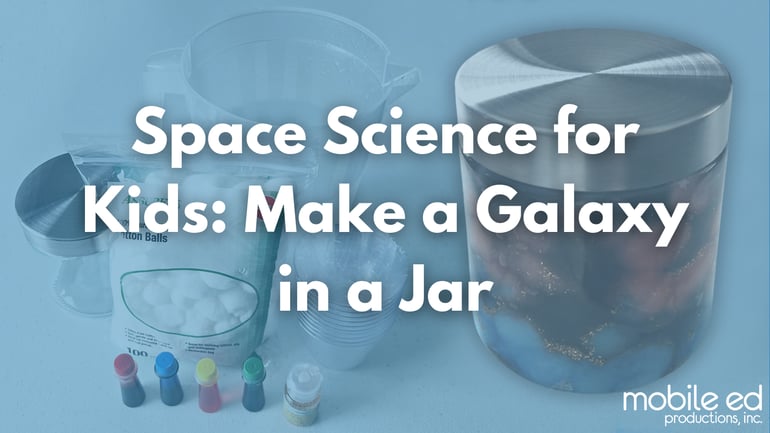
Few things spark curiosity like the night sky. From swirling galaxies to distant stars, space has a way of making students ask big questions and imagine even bigger possibilities. A simple activity like Galaxy in a Jar captures that sense of wonder by turning abstract space concepts into something students can see and touch. When paired with immersive experiences like Mobile Ed’s Sky Dome Planetarium, activities like this transform space science from a textbook topic into a moment students remember long after the lesson and possibly long after the glitter has been vacuumed.
What’s Actually Happening in That Jar?
This Galaxy in a Jar is a hands-on science and art activity that models the swirling gas, dust, and stars found in real galaxies. Using simple classroom materials like water, cotton, food coloring, and glitter, students build layered representations that resemble spiral galaxies and glowing nebulae. It may look like a craft project at first glance, but there is science hiding in that sparkle.
This activity works great as an introduction to astronomy or as a follow-up to lessons on galaxies, stars, or the universe. Instead of seeing galaxies as flat pictures in a book, students begin to understand them as layered, dynamic systems. The process reinforces how multiple components, including gas, dust, and billions of stars, work together to form the structures we observe through telescopes. It also gives students a small but meaningful glimpse into something unimaginably large, which is no small feat for a mason jar.
More Than Just a Craft
Hands-on science experiences help students grasp abstract concepts that are otherwise difficult to visualize. Galaxies are enormous, distant, and impossible to observe up close until someone invents field trips that can harness light-speed travel. A Galaxy in a Jar gives students a tangible model they can connect to real astronomical phenomena.
This activity also supports STEAM learning by blending science with creativity. Students experiment with color, texture, and layering while practicing observation and scientific explanation. Teachers can easily scale the lesson up or down by adjusting the depth of discussion from basic structure in elementary grades to galaxy formation and modeling limitations in middle school. It is flexible, engaging, and surprisingly powerful for something this fun that, surprisingly, fits in your hand.
Create Your Own Galaxy in a Jar
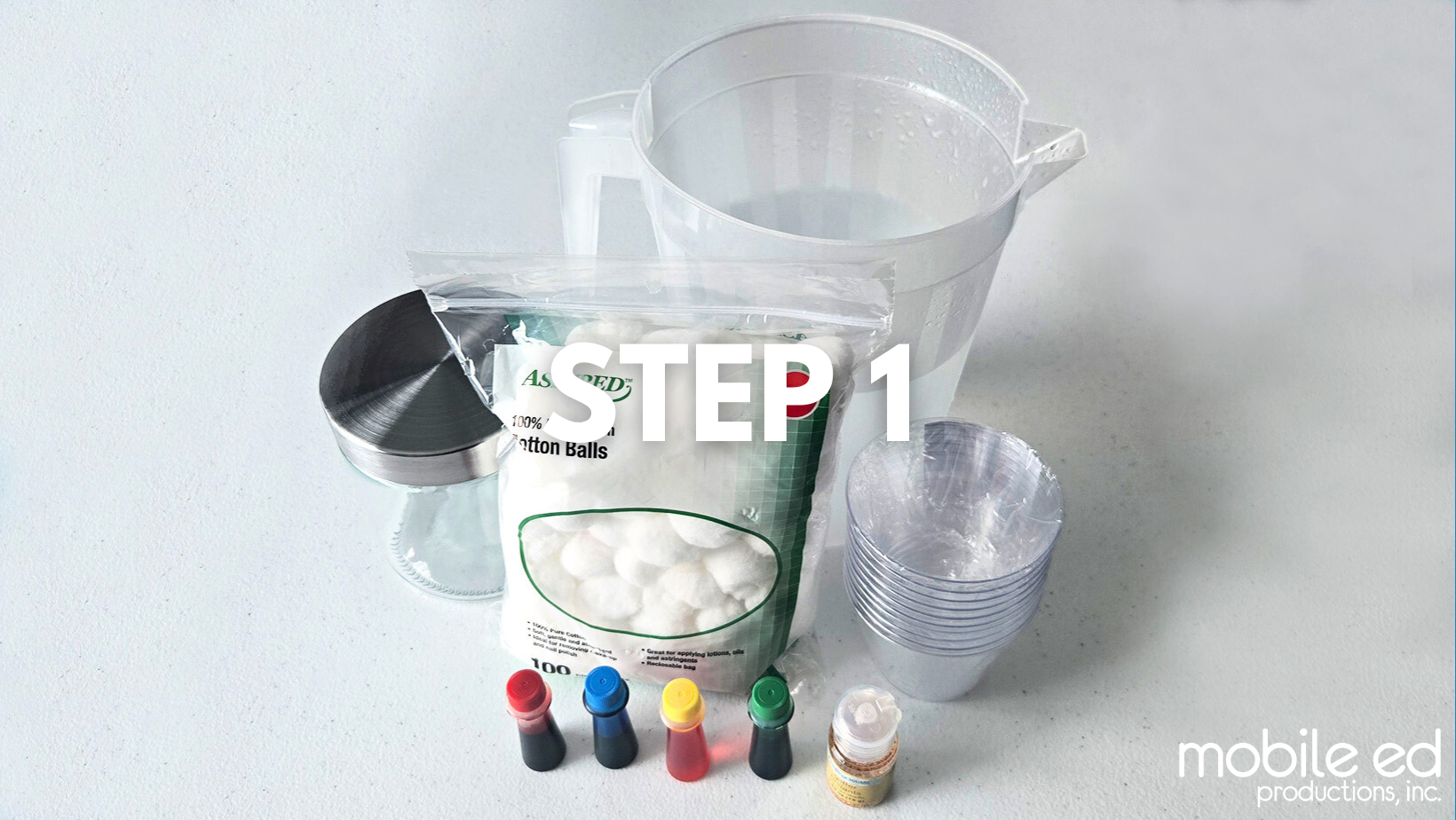
Step 1: Gather Your Materials
What you’ll need:
-
- Clear jar with lid (such as a mason jar or old pasta sauce jar)
- Three clear cups
- Water
- Food coloring in three different colors (such as blue, purple, and red)
- Cotton balls
- Glitter
- Spoon
Step 2: Mix Your Cosmic Colors
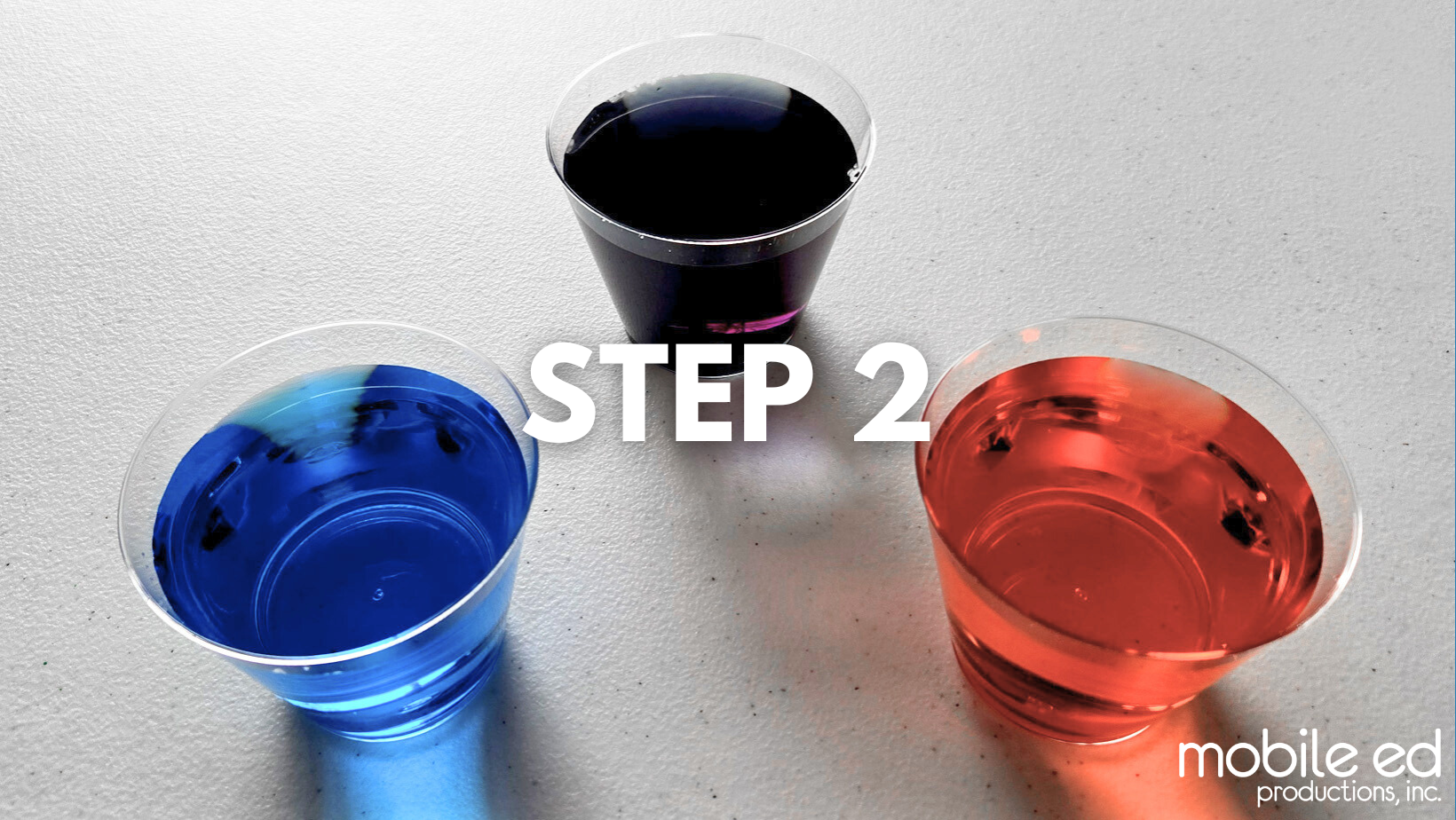
Fill three separate cups with water. Add a few drops of different food coloring to each cup and stir. You now have three tiny nebula stations ready for launch.
Step 3: Lay the Fluffy Foundation
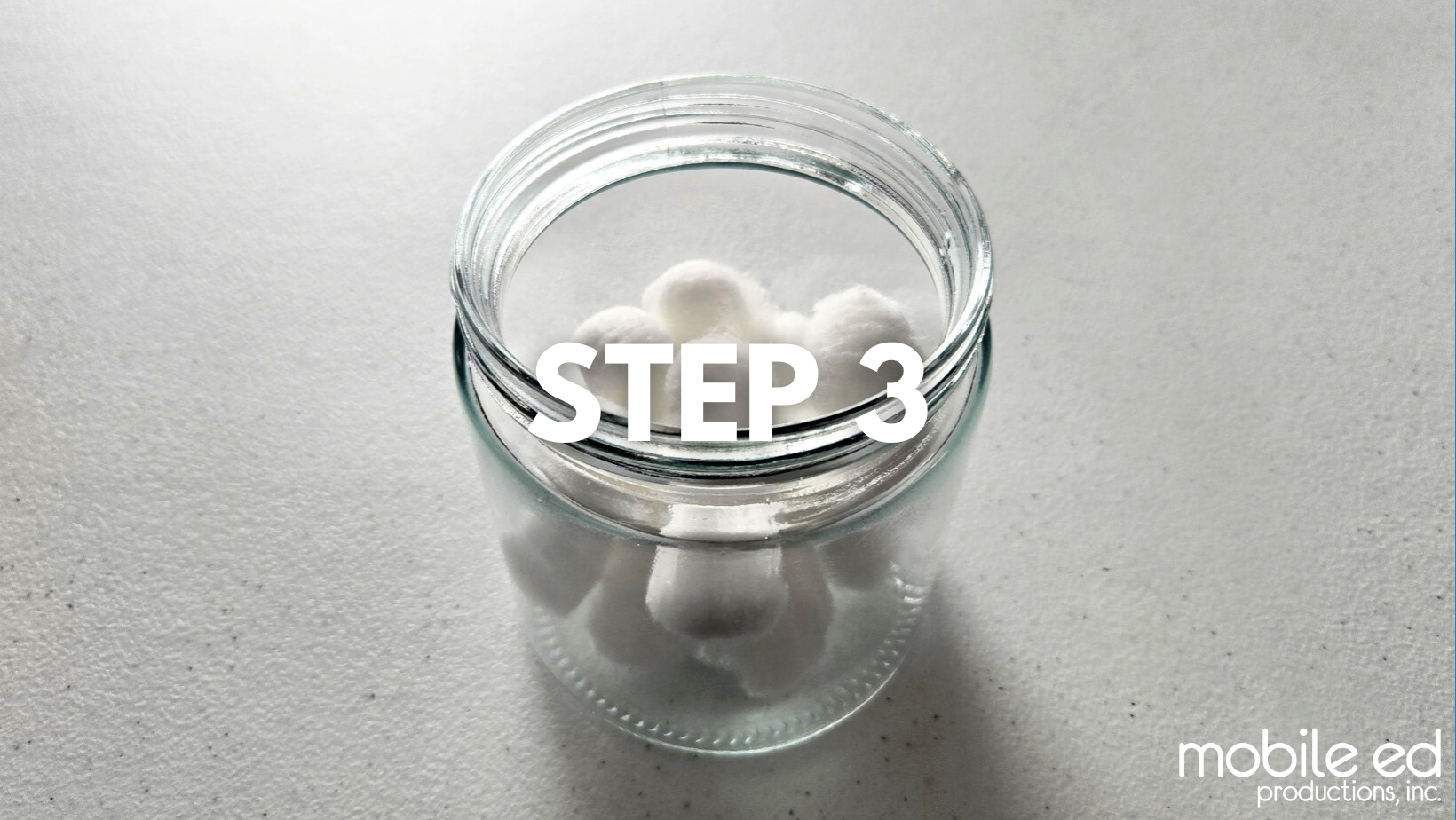
In your empty jar, place a layer of cotton balls at the bottom. Gently spread them out so they cover the base. Think of this as your galaxy’s gas and dust cloud—soft, puffy, and full of potential.
Step 4: Sprinkle the Stars
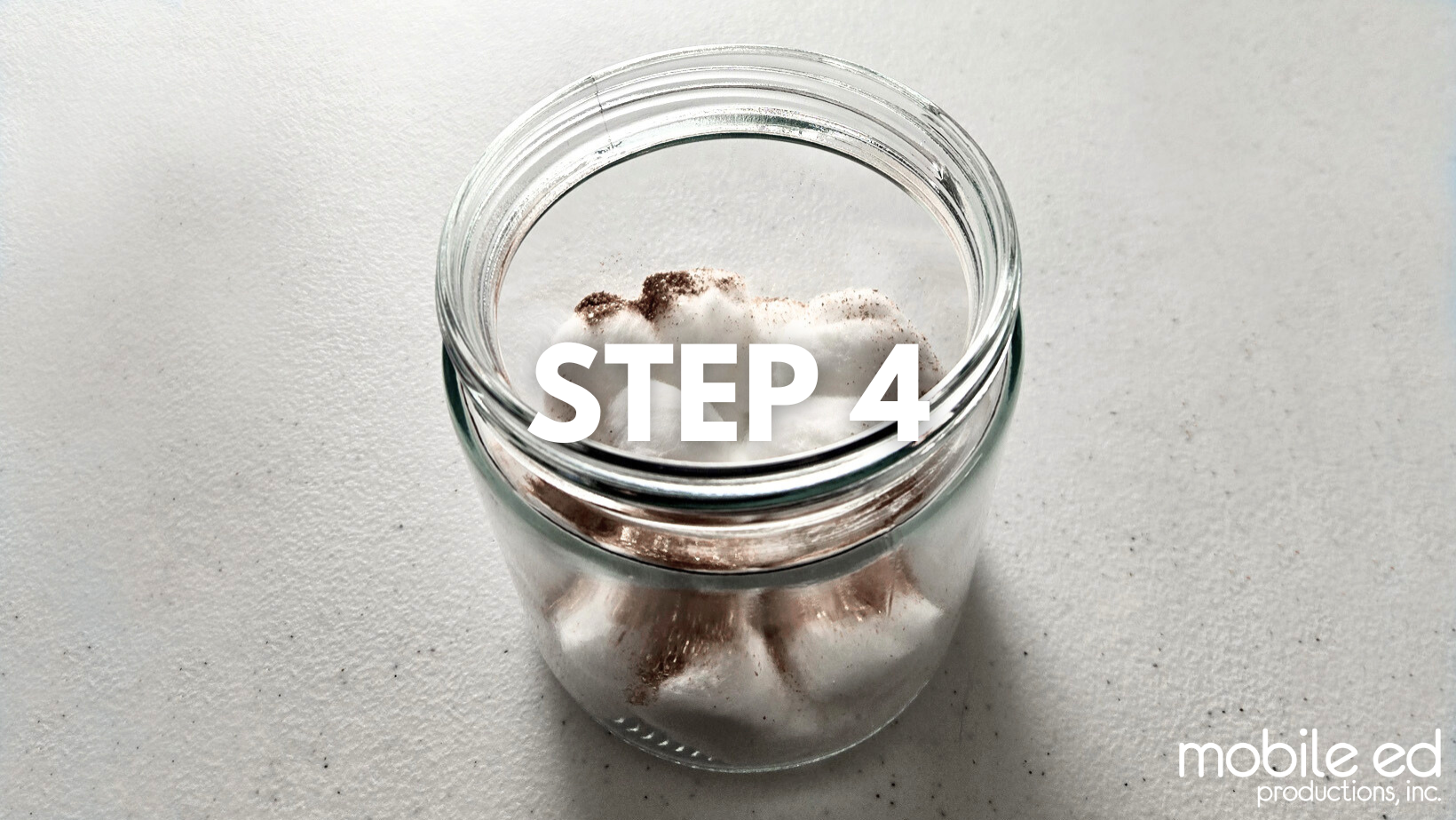
Add glitter over the cotton layer. This represents the billions of stars scattered throughout a galaxy. Friendly reminder that glitter will travel farther and faster than stardust, so plan accordingly.
Step 5: Pour the First Layer Slowly
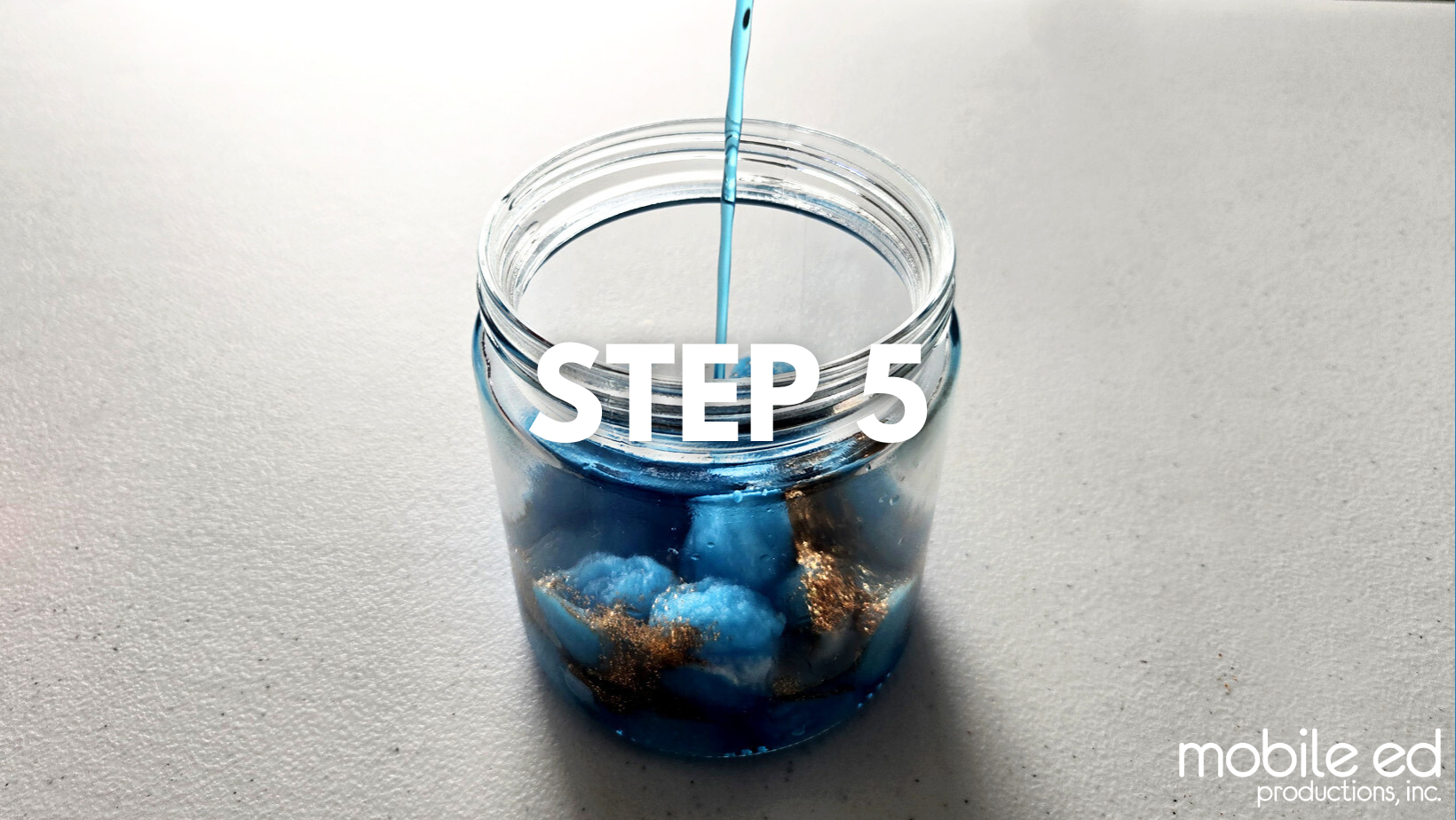
Slowly pour one of your colored water cups over the cotton. Let the cotton absorb the color. The goal is to build a cosmic masterpiece, not a soupy science sponge.
Step 6: Repeat the Stardust Magic
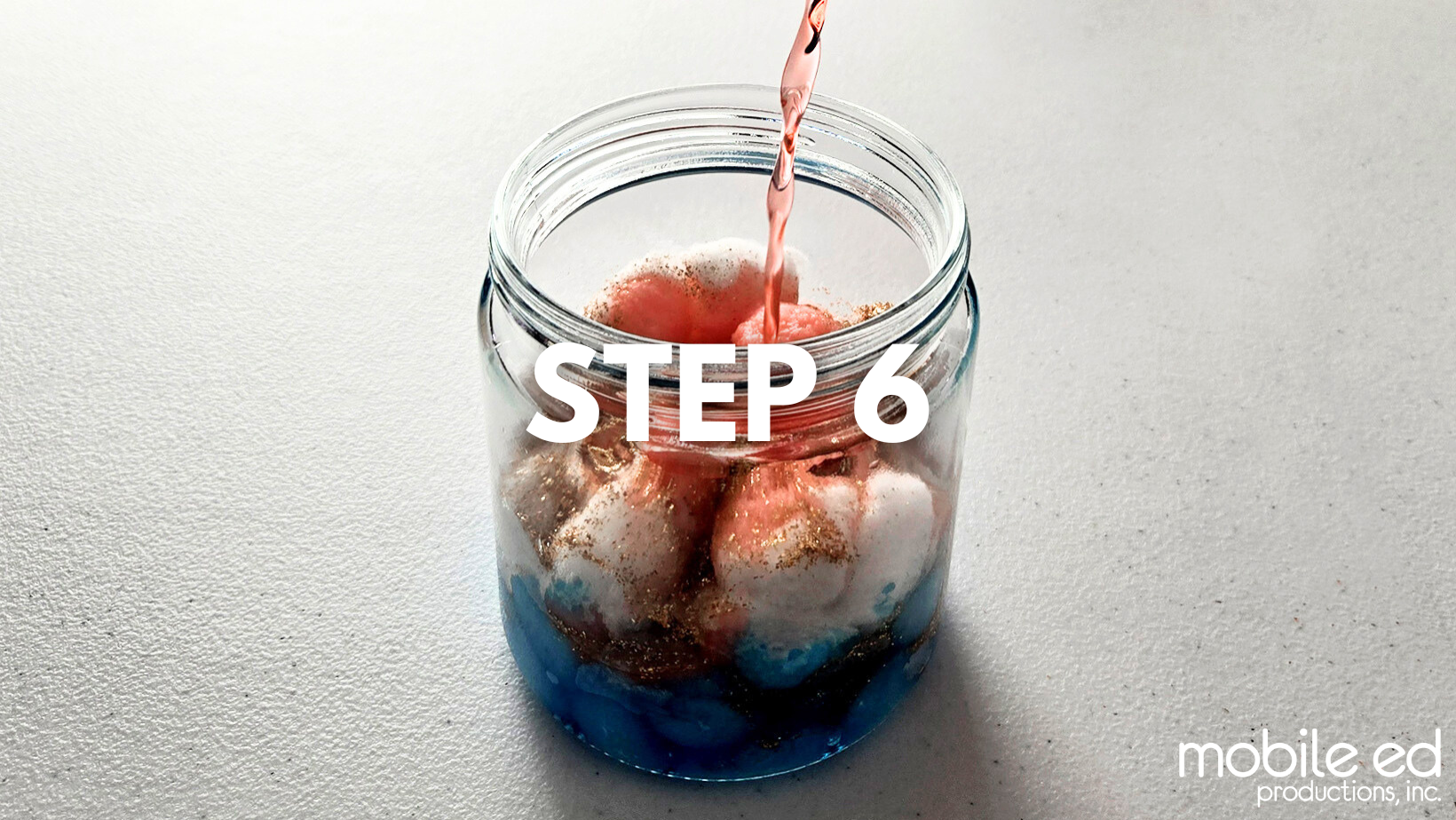
Add another layer of cotton, sprinkle more glitter, and slowly (and we do mean slowly) pour a different colored water on top. Watch as the layers form swirling patterns that resemble deep space images.
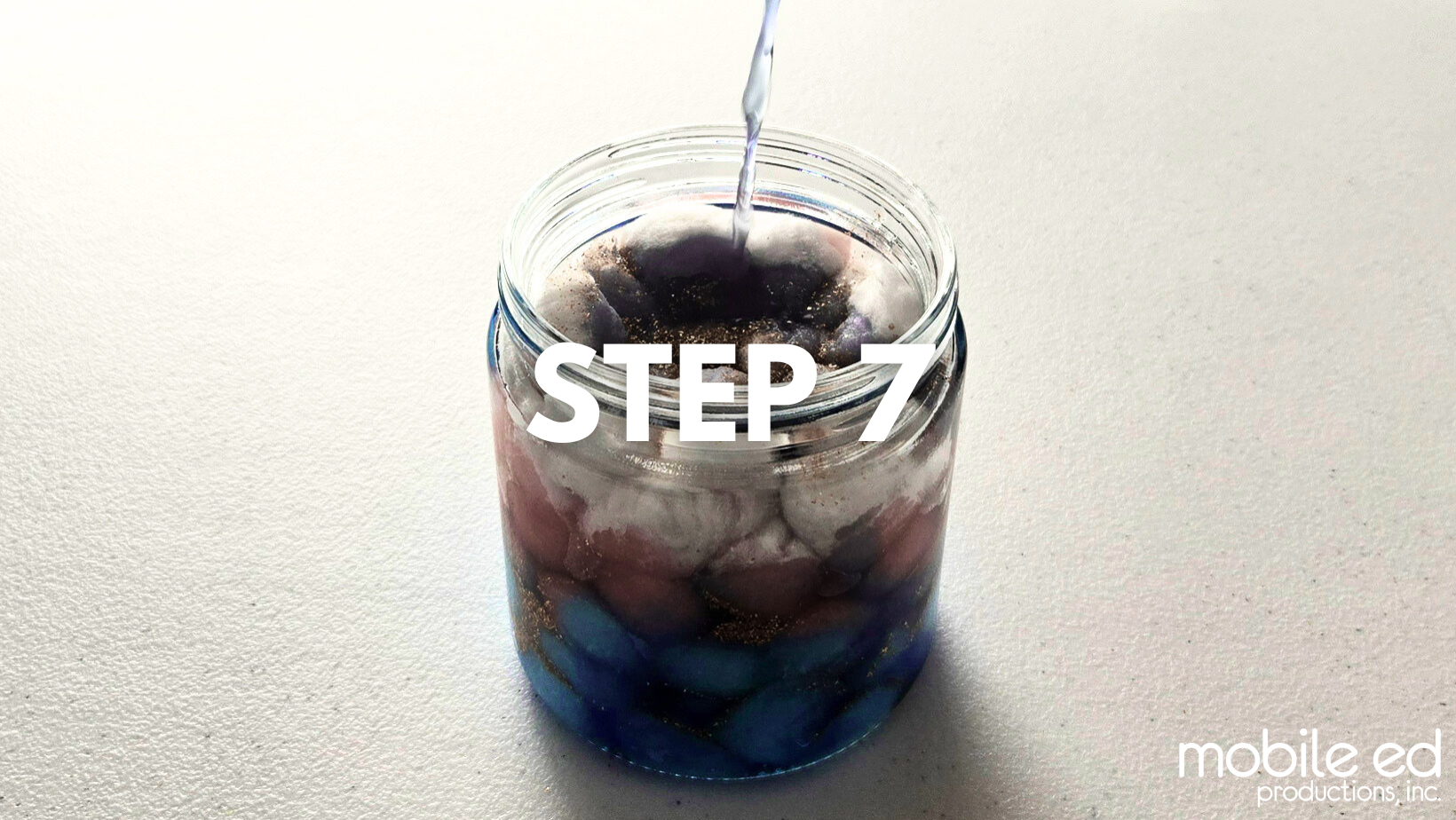
Step 7: One More Galactic Layer
Repeat with your final cotton layer, glitter, and colored water. Fill the jar close to the top, but leave just enough space to seal it comfortably.
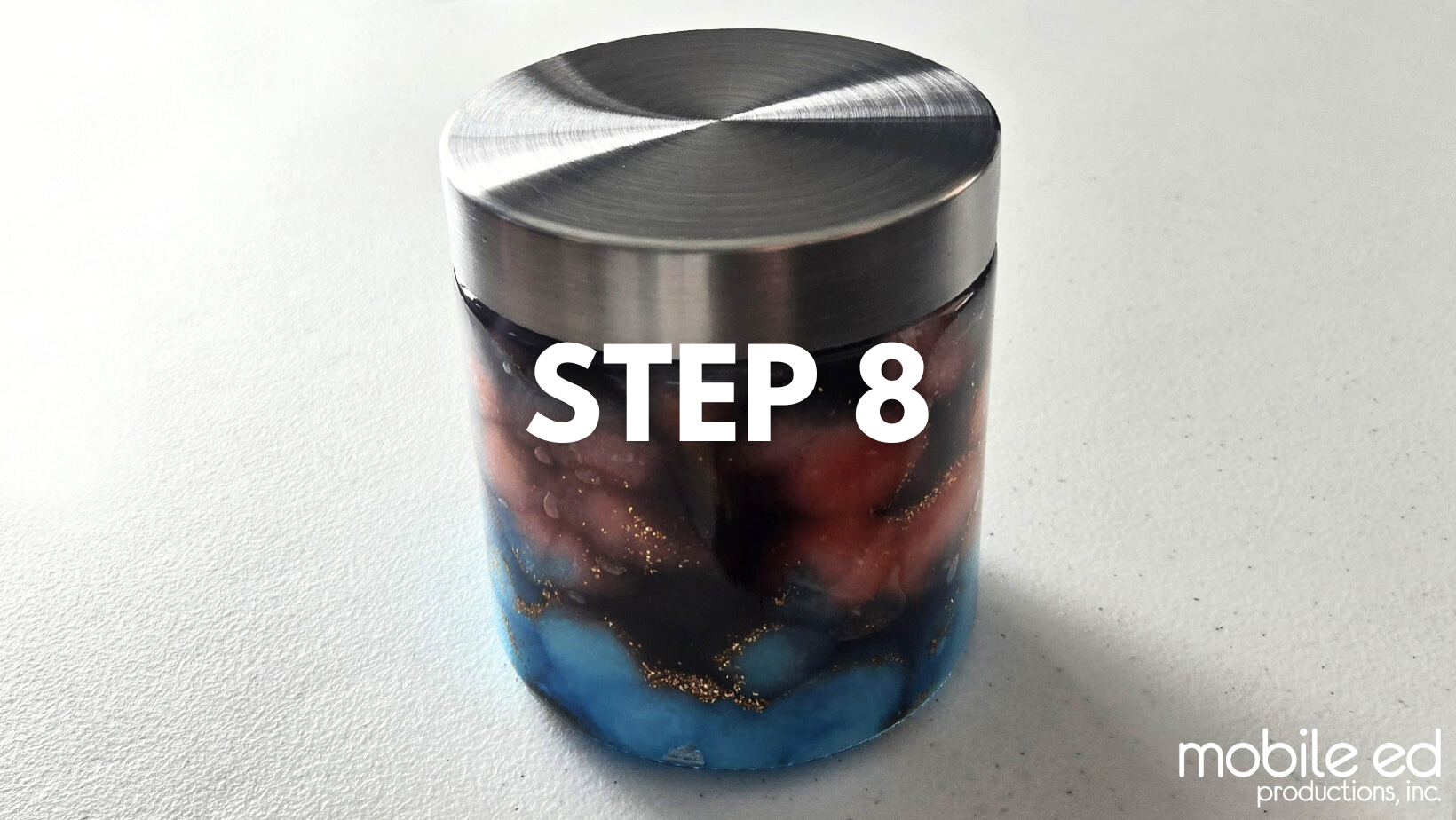
Step 8: Observe the Stardust Magic
Close the lid tightly and slowly tilt the jar. Notice how the layers shift and glow, similar to gas and dust clouds drifting through space over millions of years. Yours will just work a bit faster.
From Jar to Jaw Dropping: The Sky Dome Connection
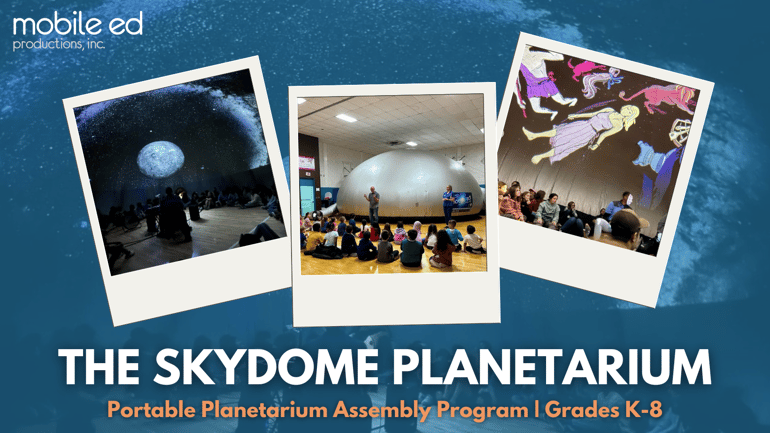
Hands-on activities like this one are fun, but they become an exciting preparation activity or an unforgettable follow-up when paired with Mobile Ed’s Sky Dome Planetarium, which brings the universe directly to your school. Students can build a galaxy in their hands and then step inside one. By combining classroom projects with an interactive experience, students gain a deeper understanding of outer space.
The Sky Dome enhances learning by:
-
- Surrounding students with 360-degree views of galaxies, stars, and deep space
- Reinforcing concepts introduced through hands-on classroom activities
- Making abstract ideas easier to understand
- Supporting science standards across multiple grade levels
Ready to Launch?
If you'd like to learn more about the SkyDome Planetarium and how to bring this galactic experience to your school, click the button below to contact us and get started!