
Spring may not officially be here just yet, but it is definitely in the air. The days are getting a little longer, the weather is getting a little less predictable, and we all know those spring showers are on the way. It is the perfect time to think ahead and prepare a hands-on science project that turns rainy days into learning opportunities. This Rain Tracker project transforms ordinary showers into meaningful data collection and real-world discovery. Instead of groaning when the clouds roll in, students will be ready with clipboards in hand like junior meteorologists.
Turning Rain into Real World Data
A Rain Tracker project is simple to set up but packed with learning potential. Students place a homemade rain gauge outside in an open area and measure how much rain falls each day. They record the amount, track totals over time, and look for patterns. Even younger students can compare which days had more or less rain, while older students can calculate averages and create graphs to analyze trends.
As weather patterns shift, students can observe how rainfall increases or changes over time. They may notice a steady drizzle one week and a heavy downpour the next. Suddenly, math feels useful and science feels connected to everyday life.
Why This Project Matters in the Classroom
A project like the Rain Tracker supports multiple subject areas at once. In science, students practice observation, measurement, and data analysis. In math, they apply addition, averaging, and graphing skills in a meaningful context. In language arts, they can write weather reflections, predictions, or even creative stories about the journey of a raindrop.
More importantly, this project strengthens critical thinking. They learn to make predictions based on evidence and adjust those predictions as new data comes in. These are skills that extend far beyond a single weather unit.
Build It, Test It, Use It: Creating Your Rain Tracker
Ready to create your own rain tracker? Follow these simple steps to design, build, and start collecting real precipitation data.
Step 1: Gather Your Materials
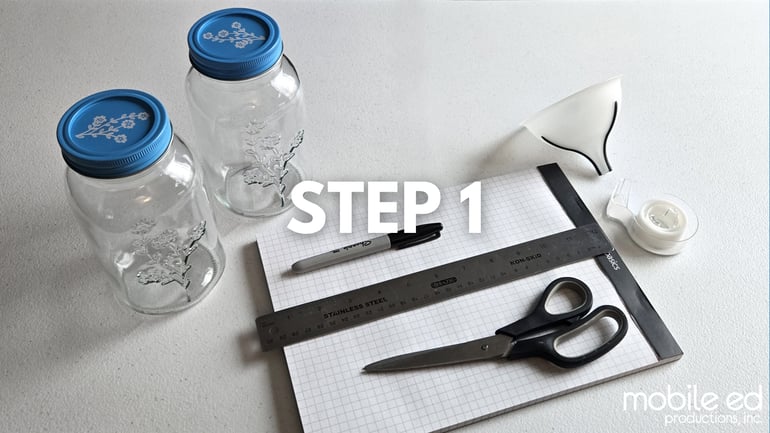
You’ll need to provide each group of 2 to 3 students with:
-
-
- A clear, waterproof container with straight sides (such as an empty plastic bottle, milk jug, or jar)
- Scissors
- Ruler
- Permanent marker
- Tape
- Clay or gravel for stability
- Water for calibration
- Graph paper with a 1-centimeter grid
- Optional: Funnel that fits the container
-
Step 2: Prepare the Container
If using a plastic bottle, carefully cut off the top section just below the curve. Turn the top piece upside down and place it into the opening to create a funnel. This helps guide rainwater into the container and reduces splashing.
If using a jar or other container, make sure the opening is wide enough to catch rainfall easily.

Step 3: Stabilize the Base
Add a small amount of gravel or clay to the bottom to weigh the container down. Secure any funnel piece with tape.
A rain gauge works best standing upright. If it tips over, it becomes a lesson on gravity instead of precipitation!

Step 4: Mark the Measurement Scale
Turn the container into a measuring tool:
-
-
Pour a small, measured amount of water into the container
-
Measure the height with a ruler and mark the level
-
Continue adding equal amounts of water, measuring and marking each level
-
Label measurements in centimeters or millimeters. Clear markings ensure accurate data later.

Step 5: Place and Collect Data
Place the rain gauge in an open, level area away from buildings and trees. After each rainfall:
-
-
Measure the water level
-
Record the amount on graph paper or in a journal
-
Empty the container for the next rain
-
Encourage students to estimate rainfall before measuring. Over time, they will improve their predictions. What starts as a simple container outside quickly becomes a powerful tool for understanding precipitation.

Seeing the Bigger Picture with the Earth Dome
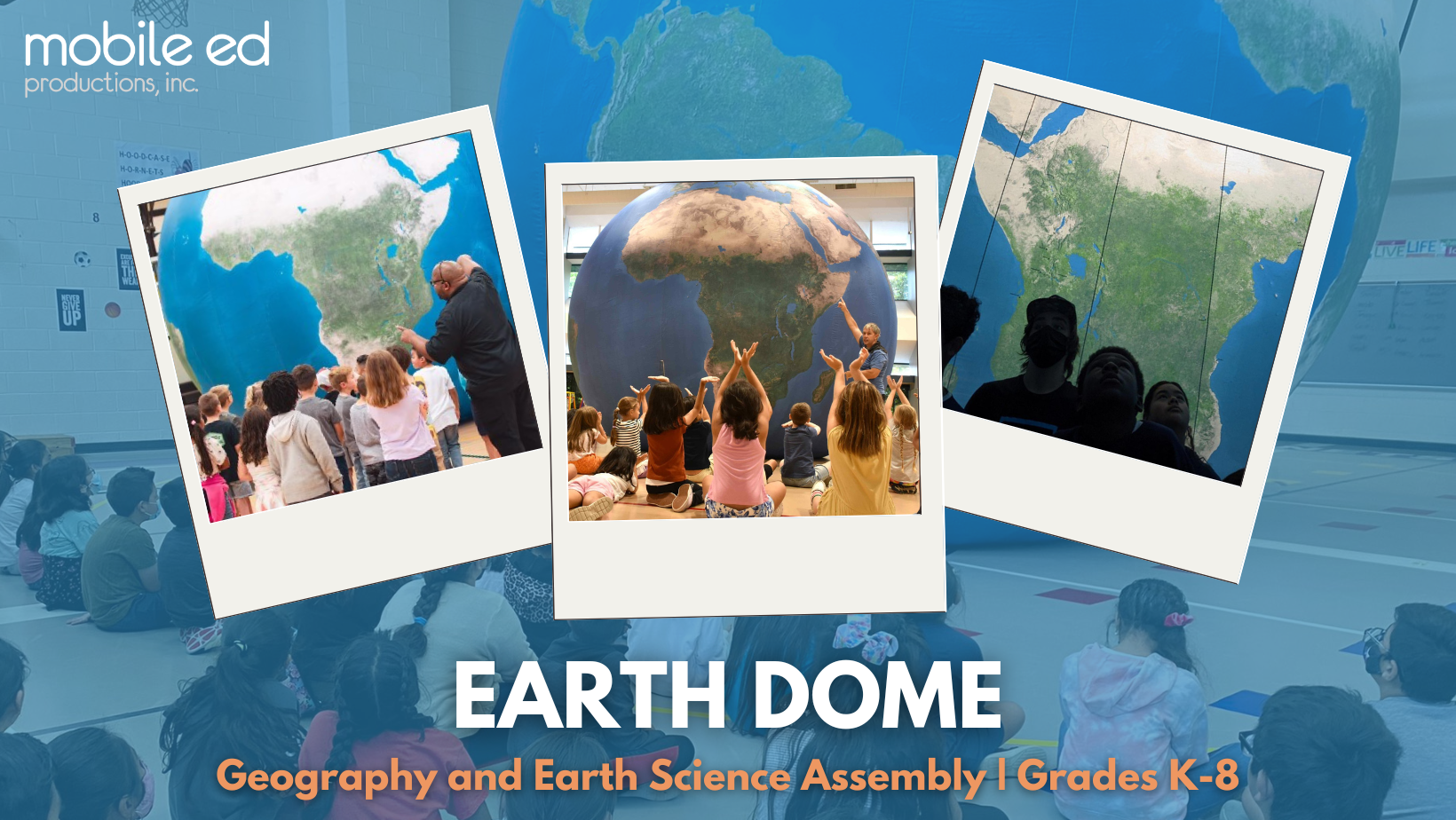
After students spend days or weeks carefully measuring rainfall, it can be powerful to help them zoom out and see the world in a bigger picture. That is where Mobile Ed’s Earth Dome makes a lasting impact. Instead of looking at a flat map in a textbook, students step inside a massive inflatable model of Earth and experience the planet in a completely different way.
Standing beside and inside our 19-foot-tall globe changes perspective quickly. Students can visually trace continents, spot oceans, and see how land and water are distributed across the planet. Concepts like scale suddenly make more sense. A city that once seemed huge on a classroom map becomes just a tiny part of a very large world.
When students step inside the Earth Dome after completing a Rain Tracker project, they begin to understand that the rain they measured is part of a much larger system that affects continents, rivers, and entire regions of the world. Seeing Earth at true scale makes local observations more meaningful. It is an experience that connects geography, environmental awareness, and scientific measurement in a way students will not soon forget.
Want to learn more about how you can bring the Earth dome to your school? Click the button below to check availability in your area!

Project inspired by: Science Buddies