
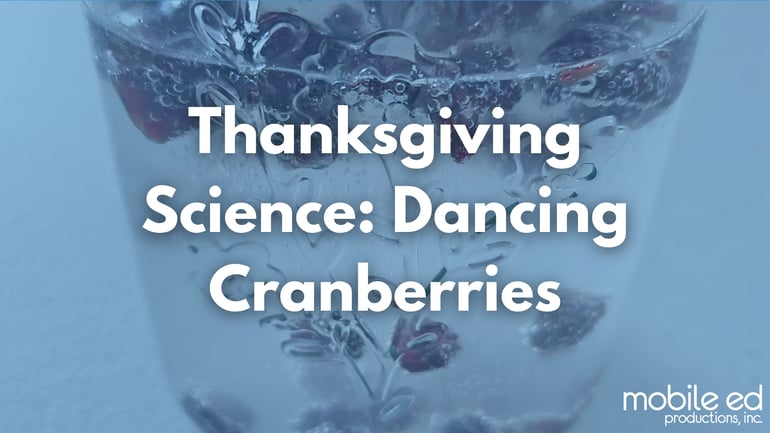
Who knew cranberries could put on a science show? With Thanksgiving right around the corner, it’s the perfect time to bring a little festive fun into the classroom with an experiment that gets students curious. By combining a few everyday kitchen ingredients, students can make cranberries dance up and down in a jar, turning a simple experiment into an unexpected way to bring science into the classroom this Thanksgiving season!
The Science Behind the Movement
The dancing cranberry experiment demonstrates a chemical reaction. To get started, you’ll need a clear jar or tall glass, two cups of water, two tablespoons of baking soda, a small handful of dried cranberries, and vinegar. Add the water and baking soda to your container and stir until the baking soda dissolves. Next, add the cranberries. Slowly pour in the vinegar and watch what happens!
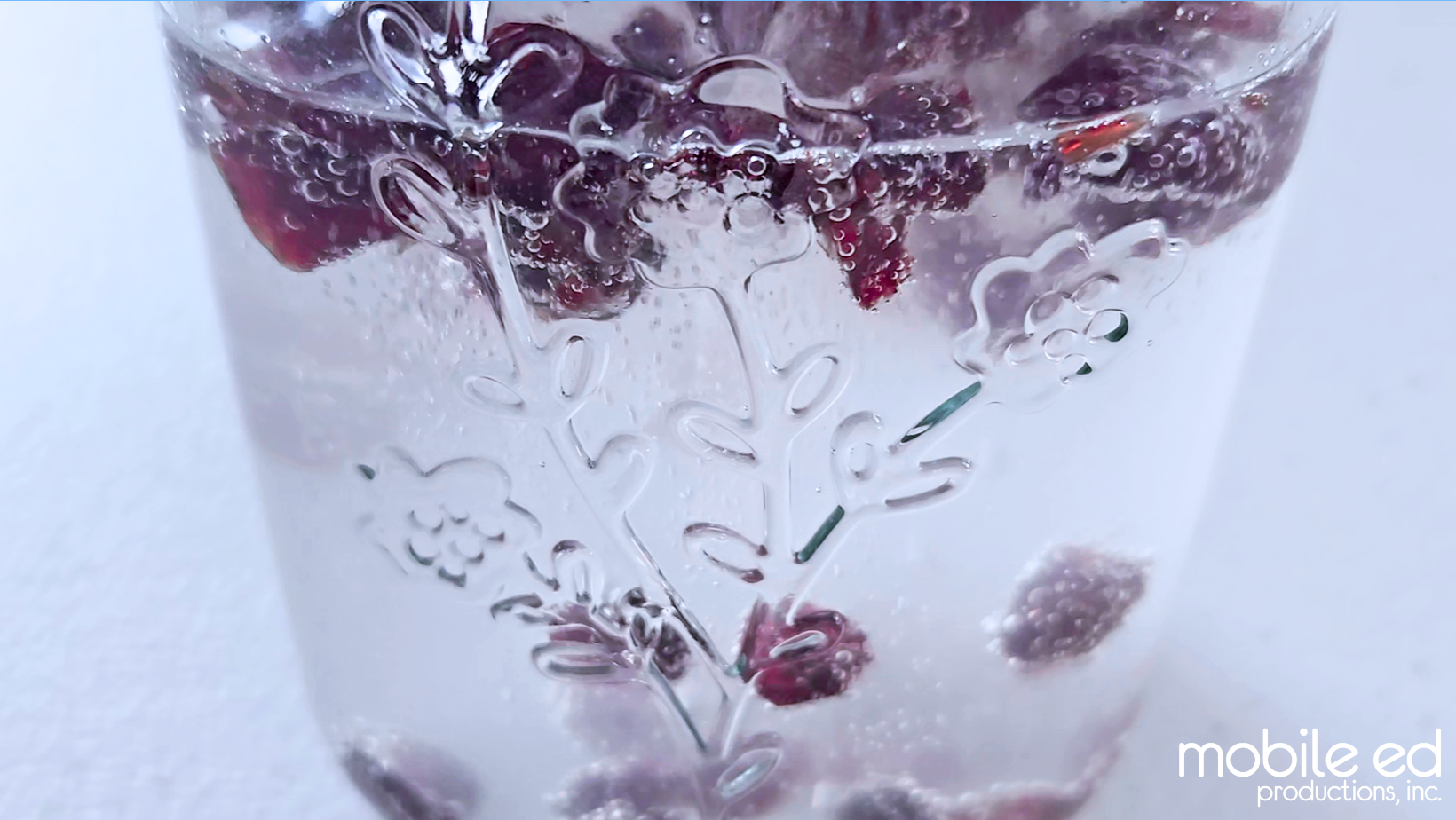
As the ingredients combine, bubbles begin to form around the berries. Some berries will start rising toward the surface, while others remain at the bottom. When the bubbles reach the top and pop, the berries lose their lift and sink back down. As more bubbles form, the process repeats. With a little patience, you’ll have berries moving up and down simultaneously throughout the jar.
So, what’s causing all this movement? When baking soda and vinegar combine, they create a chemical reaction that produces carbon dioxide gas. The gas forms tiny bubbles that attach to the cranberries, carrying them toward the surface. Once the bubbles pop, the berries sink back down and the process starts all over again. Students will learn a little about how gases are produced and how they behave.
A Little Science Goes a Long Way
One of the best things about simple science experiments (besides using readily available materials and consuming so little time in preparation) is that they give students an opportunity to see concepts instead of just reading about them. Chemical reactions, gases, and density can be difficult topics to understand when students’ only encounter with them is in a textbook. An experiment like this gives them something visual and concrete to observe and discuss.
It also provides an easy opportunity to practice the scientific method. Students can make predictions before the vinegar is added, observe what happens, and then discuss whether their predictions were correct. Teachers can encourage students to think about why the berries move, what causes them to sink again, and what might happen if the amount of ingredients were changed. These conversations help students develop critical thinking skills and learn that science is really about asking questions, testing ideas, and figuring out why things happen.
Ready to Give It a Try?
This activity doesn’t require much preparation, but a few simple additions can turn it into a more meaningful science lesson.
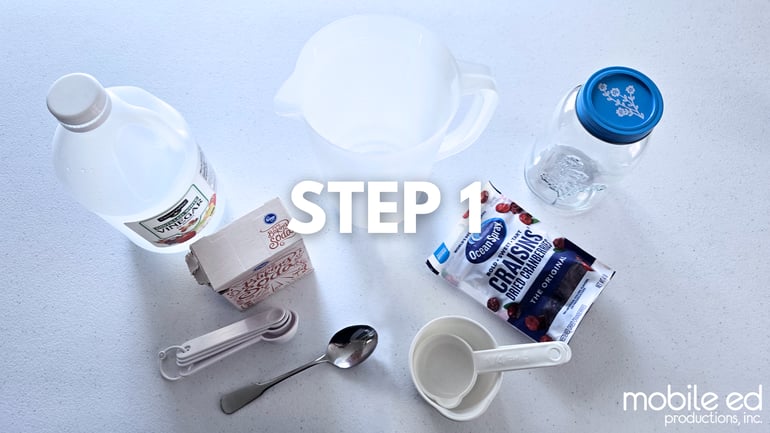
Step 1: Gather Your Materials
What you’ll need:
-
- Tall clear jar or glass
- 1/4 cup of dried cranberries
- 2 cups of water
- 2 tbsp of baking soda
- 1 cup of vinegar
- Spoon
Step 2: Add the Baking Soda
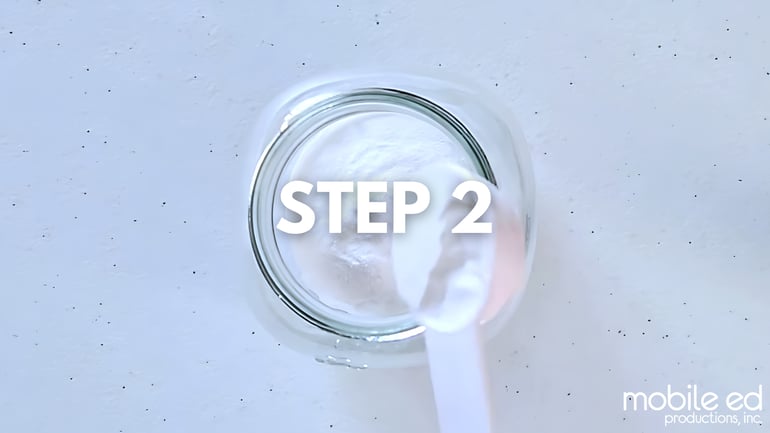
Drop two tablespoons of baking soda in a tall, see-through jar or glass. Use a clear container so students can easily observe as the experiment unfolds.
Step 3: Add the Water and Mix
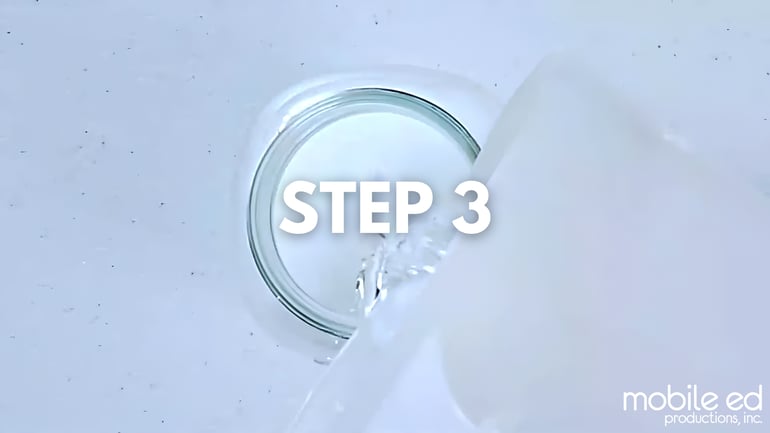
Pour two cups of water over the baking soda. Use a spoon to stir until the baking soda is fully dissolved.
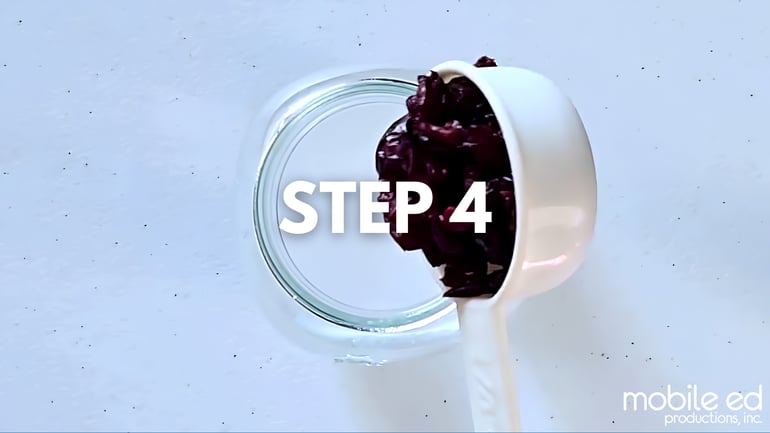
Step 4: Add the Cranberries
Add a quarter cup of dried cranberries to the mixture. Before adding the vinegar, ask students what they think will happen. Will the berries float? Will they stay at the bottom? Will anything happen at all? Have students explain how they came to their predictions.
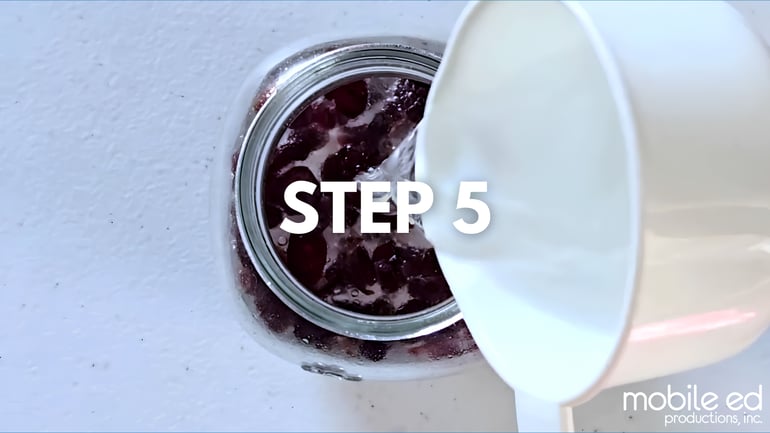
Step 5: Add the Vinegar
Slowly pour vinegar over the mixture to get the cranberries dancing! Give students time to watch the reaction before telling them what’s happening. Ask them to describe what they see and identify any patterns in the movement of the berries.
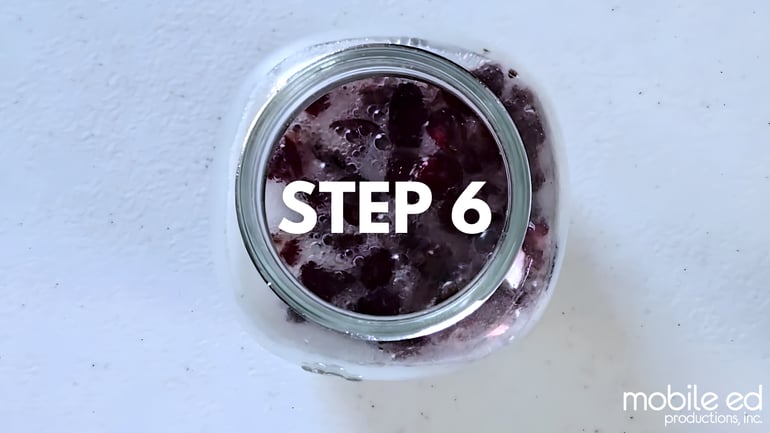
Step 6: Watch the Berries Dance!
Once students have made their observations, explain how baking soda and vinegar produce carbon dioxide gas. Discuss how the bubbles attach to the cranberries and cause them to rise and pop before letting the berries fall.
👉 Experiment With Variables: What happens if you change the amount of baking soda or vinegar? What happens when we add more cranberries? Let students suggest changes and test one variable at a time.
👉 Wrap It Up With a Reflection: Have students explain what caused the berries to move and identify the evidence they observed. This is a great way to check for understanding without turning a fun activity into a lengthy written assignment.
Seeing Science in Action
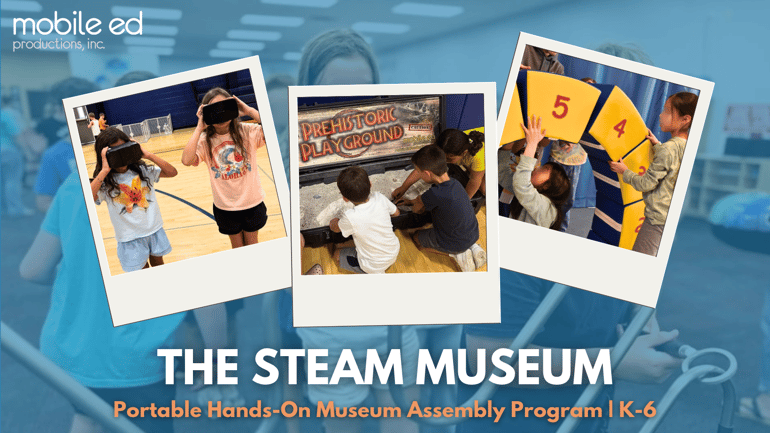
The dancing cranberry experiment is a great example of how students can learn by doing, and that’s exactly what makes our STEAM Museum such a great addition to the school day. The STEAM Museum gives students the opportunity to explore science, technology, engineering, art, and math through interactive, hands-on stations. Students don’t merely watch someone else have all the fun, but THEY get to experiment, build, investigate, and figure things out for themselves. From testing ideas to solving challenges, each station encourages curiosity, creativity, and problem-solving. Because sometimes the best way to understand how something works is to get your own hands on it!
Want to bring more hands-on science experiences to your school? Click the button below or contact our team here to learn more about our STEAM program!